
This Is the Room Your Favorite Song Came From
This summer, Nashville was buzzing with the news that one of the most prolific music studios in a city full of them, RCA Studio A, had been sold to a developer who intended to tear it down and build condominiums. Studio A isn’t the only landmark in town — RCA Studio B, where Elvis recorded, is already a historic site — but it’s beloved by musicians and artists. The room has heard some of the greatest performances in American pop music, so its loss felt particularly poignant.
Studio A was built for the complex orchestration that was changing country in the 1960s — the “Nashville sound” of producers Chet Atkins and Owen Bradley, which smoothed out the rough edges and made country more like pop. The first single produced in Studio A was Eddy Arnold’s “Make the World Go Away” from 1965, a typically lush production with a full-string section and a chorus. Session players logged thousands of hours here; in the days of live recordings, the pros could come in and record an LP’s worth of songs in a day and a half.
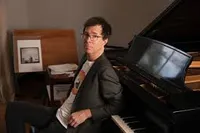
As the studio’s reputation grew, it played host to a wider variety of music, from country outlaws like Waylon Jennings to Tony Bennett to The Monkees and The Beach Boys. For the last twelve years, Ben Folds has run the studio. “I was 22 years old in the early 90s, and had a publishing deal” for his band Ben Folds Five, he recalls. “That publisher put me in the studio to record demos at midnight when no one else was recording.” A decade later, Folds saw a for-lease sign out front. “The place was a mess and had wires pulled out of the floor,” he says. “I asked around and ended up being the tenant.”
Two stories high, with a wood floor that begs to be danced on, Studio A doesn’t seem cluttered even with five grand pianos, rows of microphone stands and guitar racks, and couches arranged in one corner. The acoustics are great, but the experts recognize that acoustics aren’t everything. “How do I feel in this room?” asks Steve Durr, a renowned studio designer and engineer. “I feel comfortable. I’m not intimidated by anything. Sounds and music comes from musicians — so spend time making them comfortable. That’s what’s magical about this room.”
Word came this month that Studio A would be saved by a local preservationist, who put up the money to buy the building, and it looks like the studio will celebrate its 50th anniversary still making recordings. Ben Folds is grateful — not only for his job, but because spaces to record music live are increasingly rare. (In modern studios, producers and engineers tend to record instrumental performances in isolation, and assemble them in post-production.) “We still make great rooms,” he says, “but we’re not going to make one just like this. A room like this is a one-time-only deal. It was made when it was made by people who believed what they were doing at the time, put the materials in that they chose because they felt like it.”
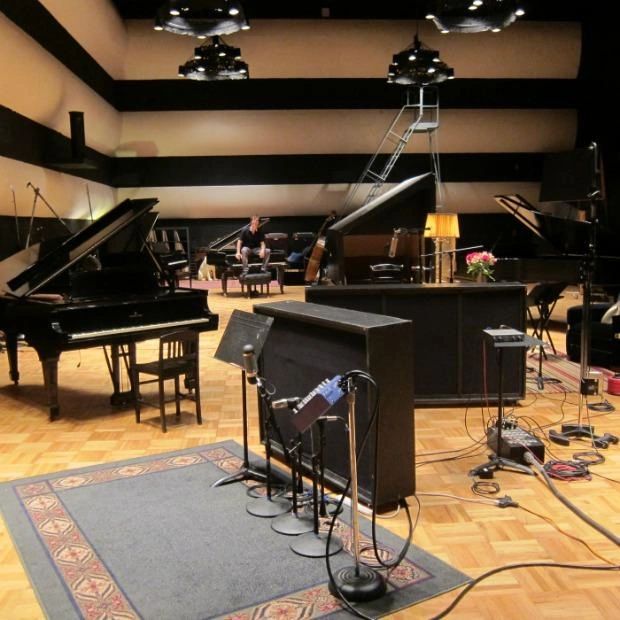
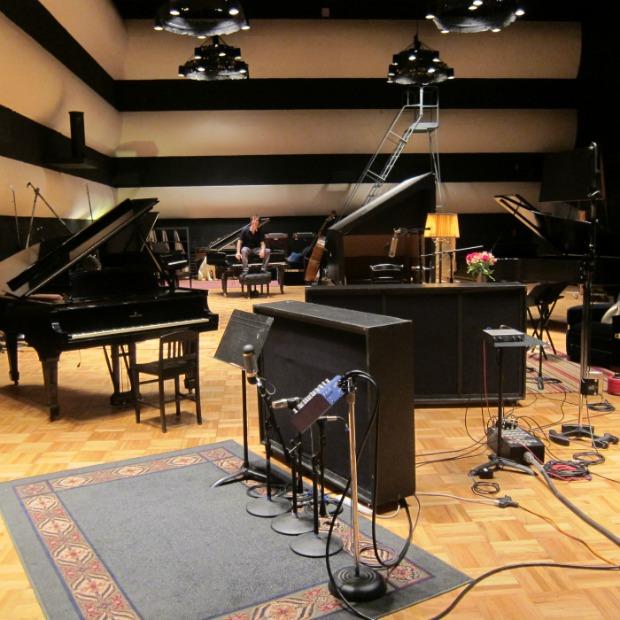 Ben Folds sits at the far end of Studio A. (Gianluca Tramontana)